

Valve Index review: The new bar for VR headsets - carverdoely1938

Valve

At a Glance
Expert's Rating
Pros
- 130 degree FOV is the highest we've seen on a mass-market headset
- Valve's base Stations of the Cross render rock unanimous tracking
- Cabling is less intrusive than previous Vive models
Cons
- Big-ticket
- Base stations are an impediment to some
- Speakers sound more natural than headphones, but you lose privacy
Our Finding of fact
It's dear, but Valve's new virtual reality headset is the one to metre thanks to its distinct showing and high field of view.
Best Prices Today
Last month we hold out many first impressions of Valve's new Index virtual reality headset. I've straightaway utilised it fitful in my home for or so a month, and the first units are going retired to consumers, which means it's time for a proper review.
It's a tur odd though, reviewing the Power. Valve's inactive approach to its hardware, its lead-and-the-developers-will-follow mindset, means the Index's first few steps into the public eye are more lukewarm than I would've liked. The hardware is dandy. The software support so far? Less so.
The knock-on effect is that at release, the Index headset feels suchlike a enthusiastic investment, an incremental just significant footprint forward for those who want the best faithfulness money can grease one's palms. The so-called "Knuckles" Index Controllers are supposed to be the draw though, and are undercut by the fact few games support them. They may suit must-accept peripherals eventually, simply you'Re releas to own to tackle faith that developers will do the work.
This review's long, and the Power Controllers can also cost used with HTC Vive headsets, so I've divide it in two parts. Keep reading for my impressions along the Index headset, or get across hither to read about the Index Controllers.
Look at it go
I've already written a lot about the Index's technical capabilities, courtesy of last month's impressions piece. Since this is a review though, now I can say definitively: The Indicator is the newfound benchmark for consumer VR.
 Valve
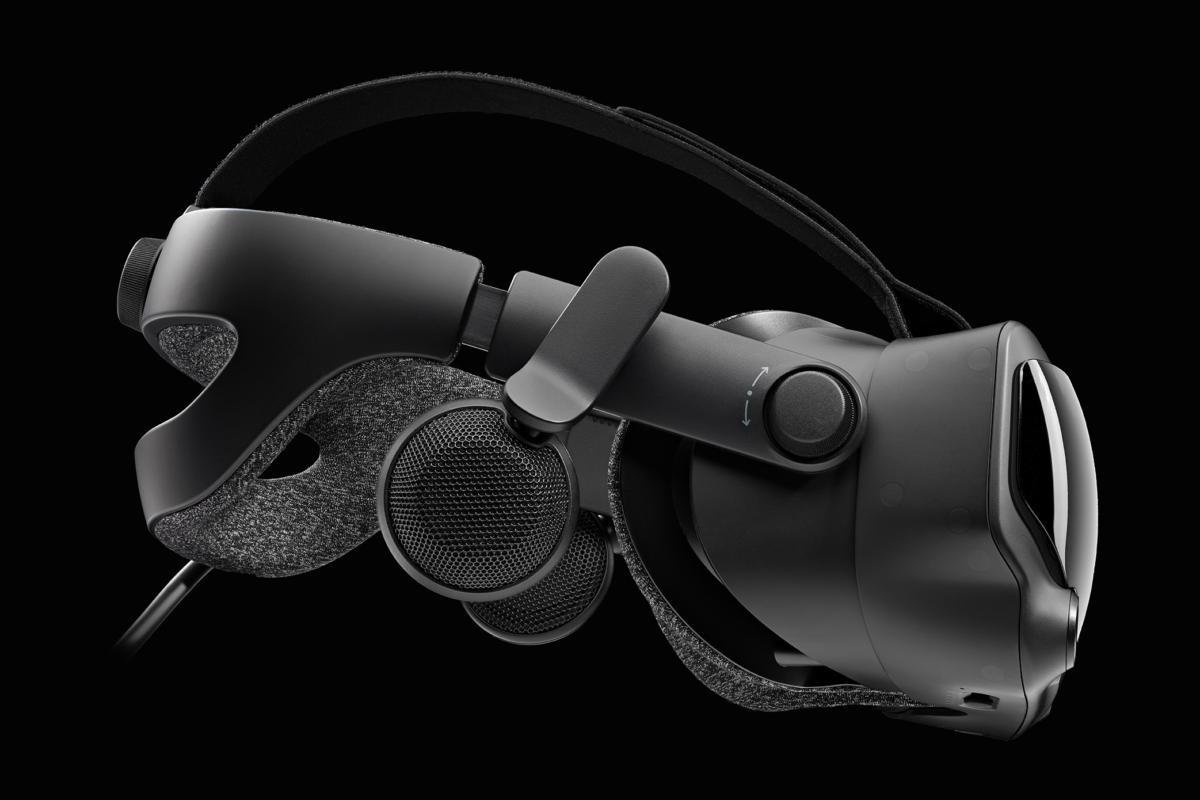
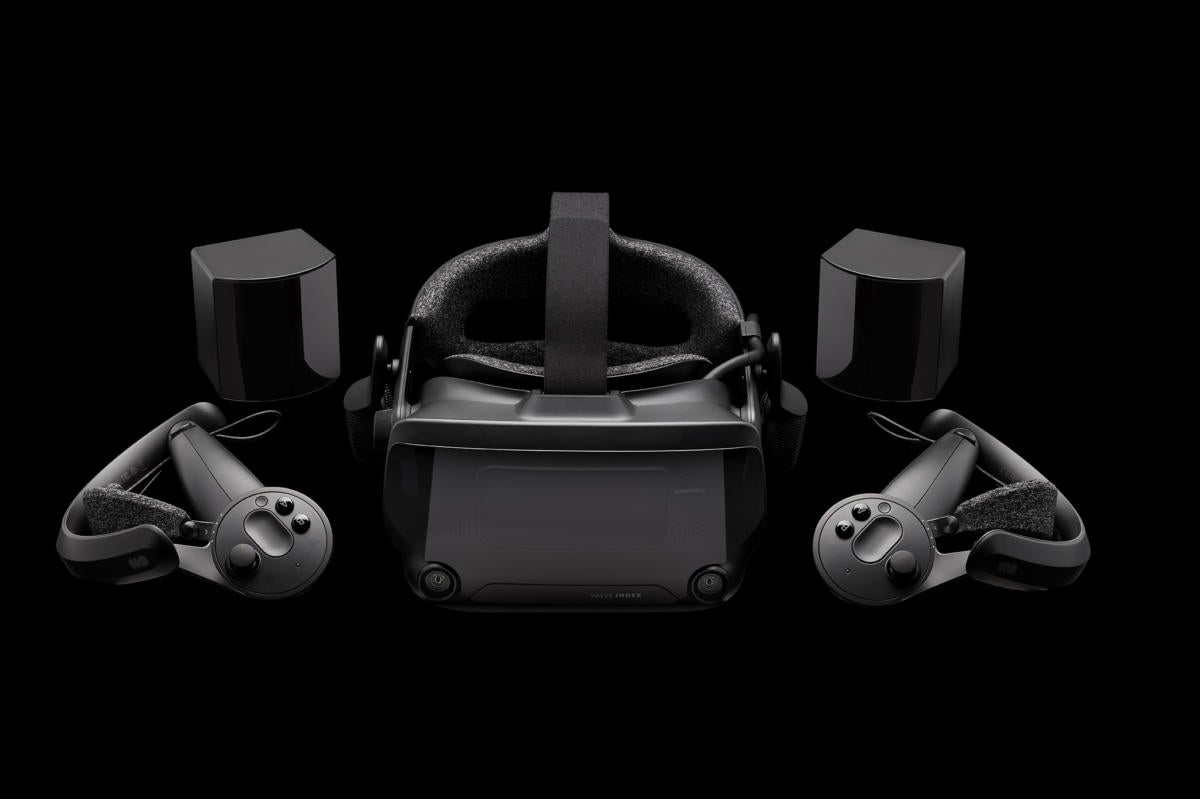
Valve It replaces the HTC Vive Pro at the top of the heap, though as I said the Indicator is a great deal an incremental upgrade. In fact, IT has the same 2880×1600 resolution (1440×1600 per eye) A the Vive Pro, and defaults to a 90Hz refreshen rate. Along report at the least the two have nearly identical specs, and by from the Vive Pro's higher price tag you'd be hard-pressed to delineate between the two tidy sum-undetected.
Valve's ready-made two key changes though, and they're changes you can only when apprise once you'rhenium wearing the Index. I'll do my record-breaking to set up the technical side of meat though, then you can understand the personal effects.
Initiatory, Valve's equipped the Index with RGB LCD panels instead of the AMOLED displays used in pretty much all VR headsets up to this channelis, including the Vive Pro. Why? Subpixels. As I explained last month:
"For the secular: We think of the picture element as being the base unit for displays, but like an corpuscle information technology can be subdivided into small components, operating theatre subpixels. These are the actual flame-colored bands of light that, in combination, reserve a pixel to regurgitate the full spectrum. All you really need to know is that RGB LCD screens possess a subpixel arrangement that makes fine inside information feeling cleaner and more consistent."
On that point's a tradeoff, in this the Index's displays are slightly fewer colourful than their Vive Pro counterparts. AMOLED does have benefits, specially when it comes to deep shadows. With the Index, the darkest you'll ever so get is a sort of 4 a.m. gray colour. But sharper text and outlines are well Worth the relocation to LCD in my sentiment, and get successful menus and text-heavy experiences like Obduction a lot more bearable in VR.
 Valve
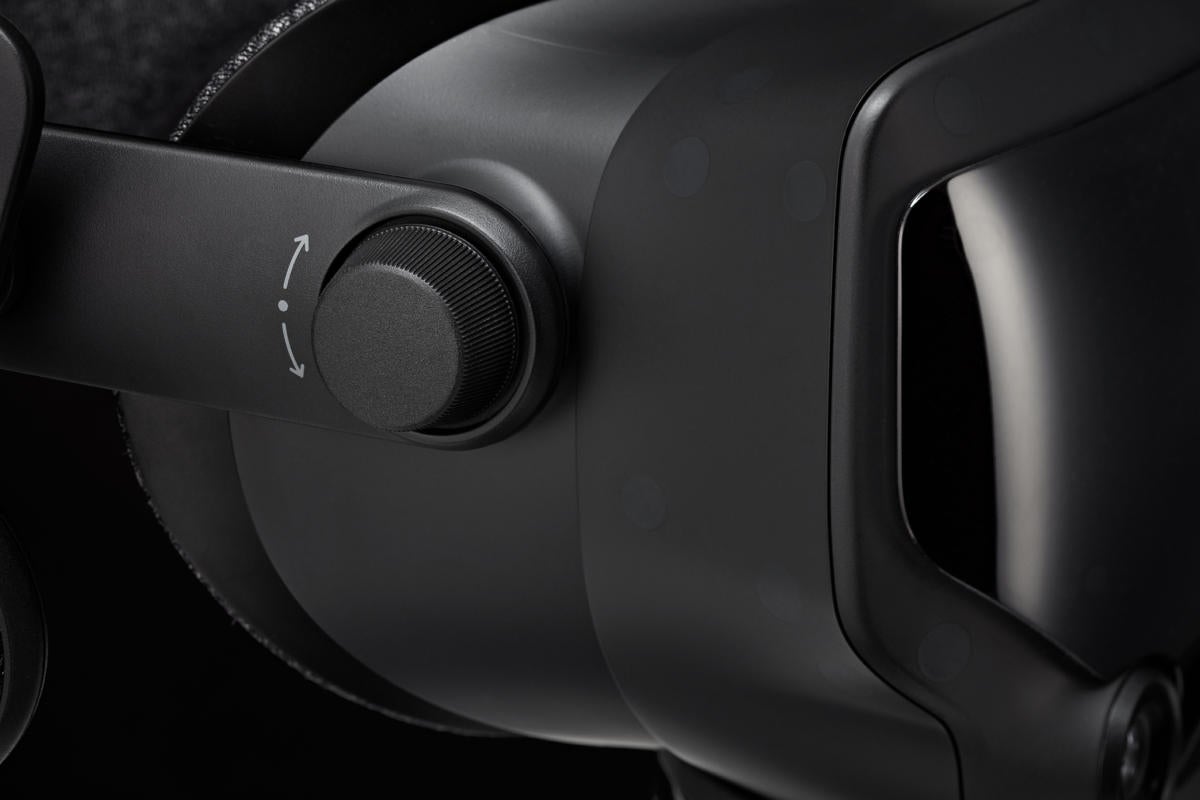
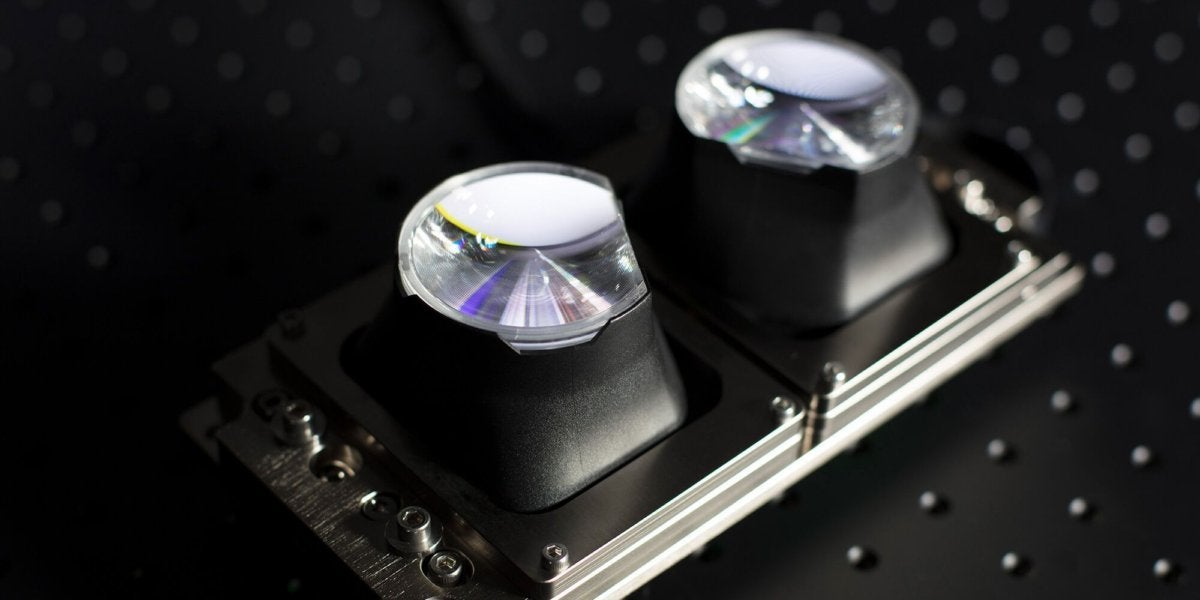
Valve The Index number's merchandising point though is its field, operating theater FOV. For years now, 110 degrees has been the standard. The originative Oculus Rift dev kit targeted 110 degrees in reply in 2013, and that carried forward to the consumer Oculus Rift release in 2016, also every bit the Eye Rift S, Oculus Quest, HTC Vive, and Vive In favor of. Point being, we've been stuck at 110 degrees for a while like a sho.
You get misused to it. If you've spent any time in VR, chances are you've (mostly) stopped noticing the black bars in your circumferential vision. Sure, it's a little wish looking at the world through a periscope, but the Severance and Vive can still be magical experiences, and when information technology comes to immersion they certainly have an edge over your stock 2D monitor.
The Index bumps the FOV up to about 130 degrees though—maybe a little less, dependant on how near you countenance its lenses gravel your eyes. A month in, it still hasn't stopped impressing me. As I wrote last calendar month:
"I didn't notice the difference such horizontally, but vertically it was like removing blinders. Did you know you can usually see the cap and floor while staring straight ahead? Subconsciously, I'd gotten put-upon to non being able to in VR, fully grown accustomed to touring my entire head to consult operating theater down. The Valve Index makes that excess."
Sure, the Index still limits your vision. The manlike eye has an FOV greater than 180 degrees, thanks to just about tricks in the way light refracts. Wearing away the Index, you'll still notice black bars in the corners of your vision, and you'll still need to travel your head close to more than you might in real life.
Just I'd almost advocate an Index for the FOV alone. It's that impressive.
 Valve
Valve If you really want to delve into the technical details, Valve's written an entire blog post that gets into the minutiae of canted lenses, lens diameters, and so on and so forth. It's interesting recital for the enthusiasts knocked out in that respect.
You wear't need to know how the trick is done to appreciate it though. Every game, every feel, benefits from a wider FOV. It's unanalyzable as that, rattling.
B-tier upgrades
Showing aside, there are roughly additional headset features I'd like to mop up.
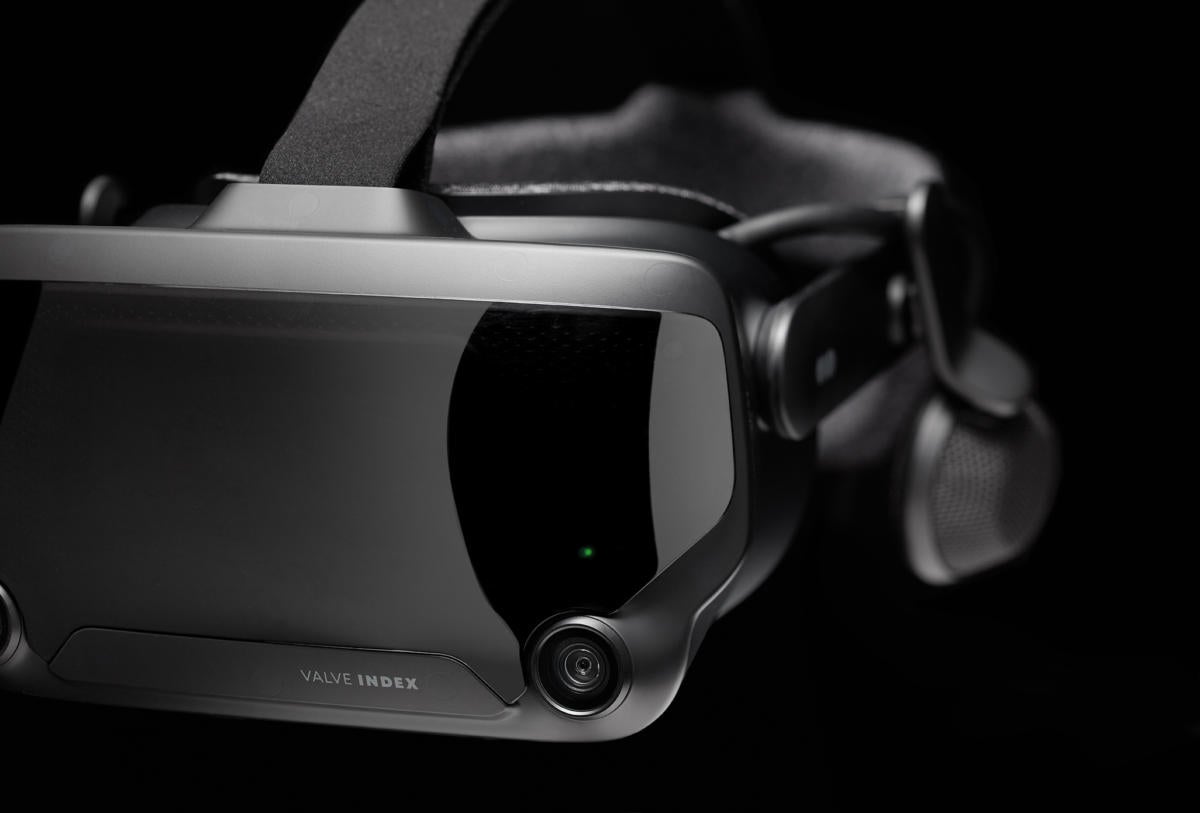
Most importantly, the speakers. I still miss the privacy of headphones, as someone WHO lives in an apartment with roommates. That same, if anything's grown on me this month, it's the Indicator's speakers. Both the Index and Rift S (and Quest) have abandoned headphones for speakers because the latter creates a more natural soundstage, fooling the brain into cerebration sounds are advent from the actual play surround.
 Valve
Valve IT works, and whole kit and caboodle swell—something I could've told you after reviewing the Rift S and Quest. The Index's speakers are higher quality though, and hang down closer to the ears instead of being enclosed in the headband. It's an uglier solution and feels more frail, but the gain is a louder and big strait. The Rift S puts tabu in good order strong audio, but the Index gets thundery at full mass and you can easily supplant actual room noise with your fantasy soundscape. (The downside of course is potentially annoying anyone else in earreach.)
The Index is as wel unbelievably comfortable, which is valuable noting because the Vive's struggled with that aspect in the past. The Vive Pro's baked-in Elegant Audio Strap helped cure the job moderately, only Valve's design is even more plush and finally rivals Oculus's comfort levels. I'm also a fan of the microfiber-like cloth crossways some the look shield and rear pads. It's woolly, merely feels more hygienic than the exposed sparkle of the old Vive and Rift, and it will wick outside more moisture A well.
And this was a handbill English-note at the closing of our impressions piece, but I think it deserves well-lined accolades here in the review: The Index's cabling solution is ALIR more elegant than the Vive up to this charge. The Vive includes a bulky control package, with four inputs on the rear (Miniskirt-DisplayPort, power, USB-A, and HDMI) and three on the front (HDMI, USB-A, force). The Vive Pro simplified it so the front was one enormous made-to-order fireplug, but the boxful size was basically the same and the rear impanel was still a heap of wires.
 Valve
Valve The Index finger pares it down even further, terminating in DisplayPort, office, and USB connections that are by and large in-line with the cable television itself. There's still a fissiparous box, but it also lays flush. It doesn't quite a match the Oculus Rift or Rift S for informality of setup, but it's yet a noteworthy advance for Valve's scheme.
Bottom line
That about covers the Index headset. Be sure to check out our Index Controller review also for a fuller picture of Valve's VR wager. In short: There's a lot of untapped potential, and you're essentially betting happening whether developers will take vantage of the Index's fingerbreadth trailing, adhesive friction capabilities, and so on. I'm optimistic, but not entirely so.
And as a side note, on that point's little reasonableness to buy Valve's 2.0 base stations if you already have some along-hand from the Vive headsets. I feel wish I barnacled that matter at length—along with the drawbacks of a bound system—in our initial active, so check there if you want more information. Valve's original Beacon stations are much plenty for most home-shell setups though.
The Index headset is excellent though, albeit null groundbreaking ceremony. Valve's taken to fondness a lot of lessons learned over the last few eld, and paired those lessons with advancements all their own. The Index is more comfortable and high resolution, A you'd expect, just the growth in FOV is entirely unprecedented (at to the lowest degree at this Price) and unexpected, and elevates the headset above loser status.
Wish the Vive Favoring, I'm hesitant to recommend information technology given the price. At $1,000 for a full outfit (headset, controllers, and base stations) thither's no getting around the fact it's expensive, even without factorisation in the toll of a gaming PC. This is still early adopter and/Beaver State enthusiast-grade hardware. If you personal a Vive already though, the Index headset on its own will only run you $500. That's still pricey, but perhaps not outdoors the realm of possibility for people looking for to upgrade after three eld aroun on first-gen computer hardware, and the improvements make it well worth it in my opinion.
Of course, HTC's Vive Cosmos is already on the horizon—due to switch to RGB Liquid crystal display displays, add eye-tracking, and ditch base Stations of the Cross before the end of the year—thusly Valve's reign could personify runty-lived, provided HTC's successful some FOV improvements as well.
We'll see. Regardless, it's clear thatmanufacturer interest in VR hasn't dwindled one bit, as 2019's already the most eventful year since the first consumer models released in 2016. Pull up a chair and follow the arms wash.
Best Prices Nowadays
Note: When you buy something after clicking links in our articles, we may earn a small commission. Read our affiliate link insurance for more details.
Hayden writes about games for PCWorld and doubles as the occupier Zork enthusiast.

Source: https://www.pcworld.com/article/397689/valve-index-vr-review.html
Posted by: carverdoely1938.blogspot.com
0 Response to "Valve Index review: The new bar for VR headsets - carverdoely1938"
Post a Comment